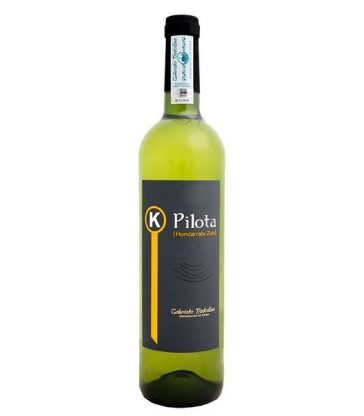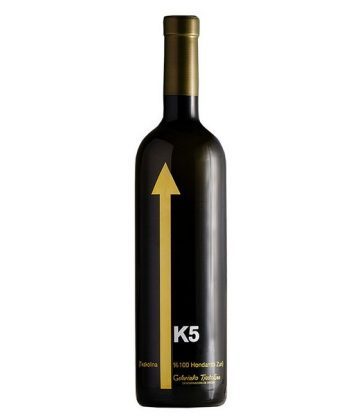
List of products by manufacturer D.O TXACOLI
Txakoli de Bizkaia / Bizkaiko Txakolina is a Spanish denomination of origin that regulates and protects this type of wine produced in the historic territory of Vizcaya, included in the Autonomous Community of the Basque Country, located on the banks of the Cantabrian Sea in the north of the Iberian Peninsula. The production area is made up of land located at an altitude above sea level less than or equal to 400 m, which are located in any of the municipalities of the province and which are considered suitable.3 It was established in 1994, with the headquarters of the regulatory council in the Mendibile Palace in Leioa
The term Txakoli-Txakolina is a traditional mention protected by European regulations.4 5
The territory of Vizcaya is an area with a strong industrial implantation and urban development that has reduced rural and agricultural territory to a minimum. The vineyards for the cultivation of the grapes that Bizkaiko Txakolina will produce contribute decisively to the conservation of the natural environment of Vizcaya and to the maintenance of the agricultural sector of the territory.
The term 'txakoli' has been known since the Middle Ages. With this name the wines that were produced and consumed in Vizcaya were known. [Citation needed] 6 The term describes the wine and, at the same time, the establishments where it was served, generally farmhouses with their own vines and vineyards that they made and sold your product in the same place where it was produced.
The txakolis of Vizcaya and the txakoli had great popularity for centuries but went into decline in the mid-nineteenth century partly due to the industrial development of Bilbao and Vizcaya, which was changing the landscape of the territory and partly due to various pests and diseases that limited production to a minimum.
Although Vizcaya txakoli continued to be produced on a small scale, it was reduced to a wine for domestic consumption. It was at the beginning of the eighties when a group of winemakers came together in the so-called Association of Txakolineros de Bizkaia (BIALTXA) and with the support of the Basque Administration and the Provincial Council of Vizcaya began the work of recovery of this wine .
Txakoli de Bizkaia / Bizkaiko Txakolina is a Spanish denomination of origin that regulates and protects this type of wine produced in the historic territory of Vizcaya, included in the Autonomous Community of the Basque Country, located on the banks of the Cantabrian Sea in the north of the Iberian Peninsula. The production area is made up of land located at an altitude above sea level less than or equal to 400 m, which are located in any of the municipalities of the province and which are considered suitable.3 It was established in 1994, with the headquarters of the regulatory council in the Mendibile Palace in Leioa
The term Txakoli-Txakolina is a traditional mention protected by European regulations.4 5
The territory of Vizcaya is an area with a strong industrial implantation and urban development that has reduced rural and agricultural territory to a minimum. The vineyards for the cultivation of the grapes that Bizkaiko Txakolina will produce contribute decisively to the conservation of the natural environment of Vizcaya and to the maintenance of the agricultural sector of the territory.
The term 'txakoli' has been known since the Middle Ages. With this name the wines that were produced and consumed in Vizcaya were known. [Citation needed] 6 The term describes the wine and, at the same time, the establishments where it was served, generally farmhouses with their own vines and vineyards that they made and sold your product in the same place where it was produced.
The txakolis of Vizcaya and the txakoli had great popularity for centuries but went into decline in the mid-nineteenth century partly due to the industrial development of Bilbao and Vizcaya, which was changing the landscape of the territory and partly due to various pests and diseases that limited production to a minimum.
Although Vizcaya txakoli continued to be produced on a small scale, it was reduced to a wine for domestic consumption. It was at the beginning of the eighties when a group of winemakers came together in the so-called Association of Txakolineros de Bizkaia (BIALTXA) and with the support of the Basque Administration and the Provincial Council of Vizcaya began the work of recovery of this wine .